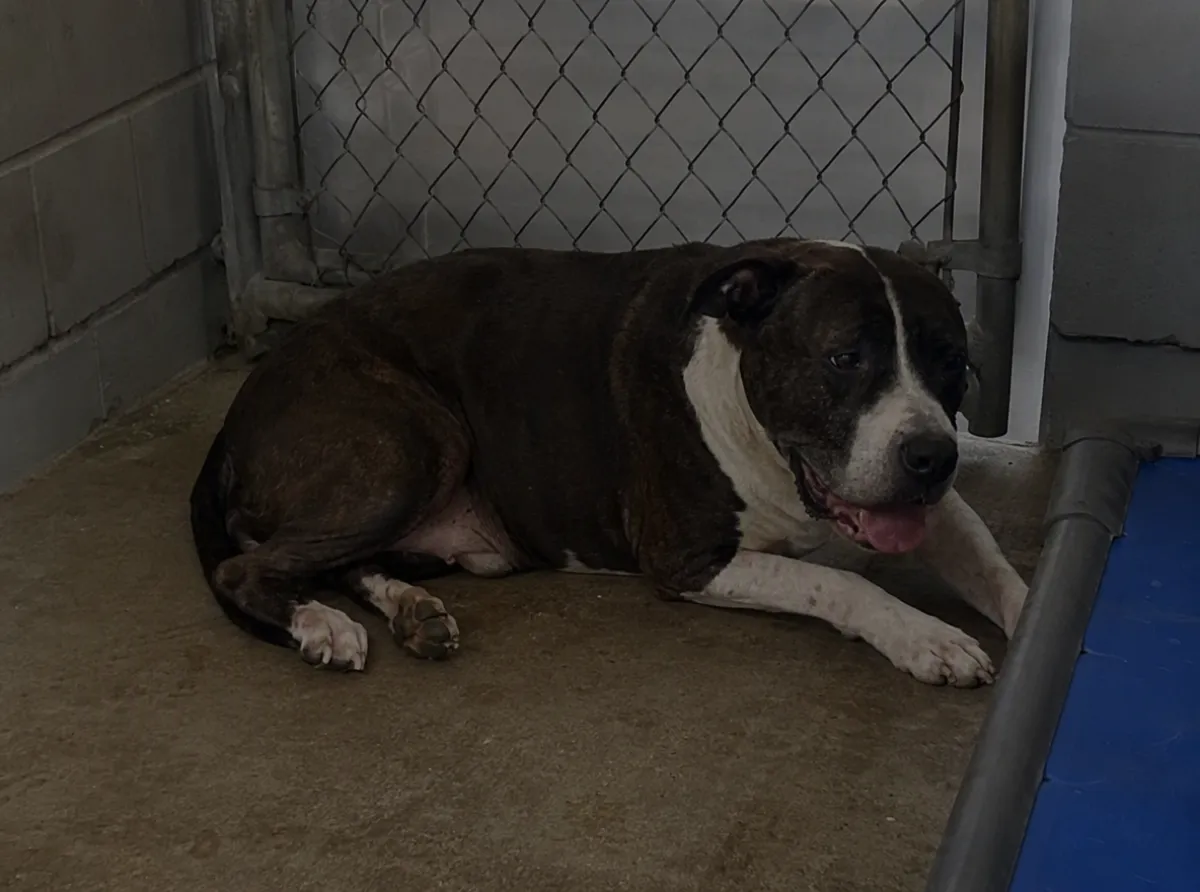
Strep zoo, short for Streptococcus zooepidemicus, is a bacterial infection that matters because of its speed. It often starts looking like a routine case of kennel cough, then in some dogs it progresses to severe, bleeding pneumonia within a day or two. In documented shelter outbreaks it has caused very high illness rates and roughly half of affected dogs dying. Knowing how it differs from ordinary kennel cough is what buys you time.
Why It Gets Missed Early
The trap is that the opening act mimics kennel cough: a cough, nasal discharge, and lower energy. Owners and even shelters can reasonably assume it is the usual respiratory bug going around, which is exactly why the more dangerous cases are sometimes recognized too late.
The Signs It Is Something Worse
Watch for a fast, hard turn. Warning signs that this is not routine include a sudden high fever, labored or rapid breathing, bloody or blood-tinged nasal discharge, coughing up blood, extreme weakness, and collapse. What makes strep zoo frightening is how quickly it can move from mild-seeming to critical, often within 24 to 48 hours.
Why Shelters and Kennels Are Ground Zero
This is an illness of dense, high-turnover dog housing: shelters, boarding facilities, and busy daycares, where many dogs mix, stress is high, and new dogs arrive constantly. Those conditions let it spread fast, and the big documented outbreaks have all been in crowded facilities. This is exactly the kind of facility-level cluster the ParvoMaps outbreak map exists to surface, so owners can see what is circulating near them.
What to Do
If your dog was recently in a shelter, boarding kennel, or daycare and develops sudden severe breathing trouble or any bloody nasal discharge, treat it as an emergency and get to a vet right away. Early antibiotics and supportive care make a real difference, and time is the variable that matters most. Keep a sick dog isolated from other dogs in the meantime.
How to Lower the Risk
Use reputable boarding and daycare facilities, avoid overcrowded ones, and watch a newly adopted or recently boarded dog closely for the first week or two. Keep core vaccines and kennel cough protection current. Those will not prevent strep zoo specifically, but they reduce the other respiratory infections that can set the stage. Our kennel cough overview and our guide on kennel cough versus dog flu help you tell the milder respiratory bugs apart from something serious.
Because strep zoo moves through facilities, knowing what is circulating near you is real protection. ParvoMaps tracks contagious dog illnesses in your area, and you can see outbreaks in your state so a nearby cluster reaches you before your dog does. If your dog has caught something we track, reporting it helps other owners stay ahead.